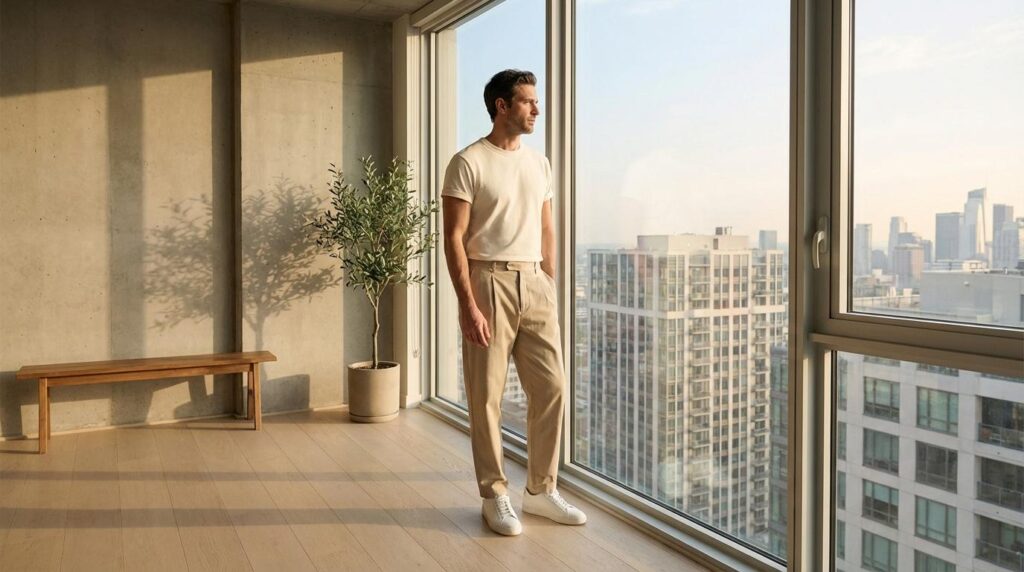
Scroll through any men’s style feed today and a pattern emerges. Clean lines. Neutral palettes. Simple silhouettes with no visible branding. Clothes that feel deliberate in their restraint. Minimalist styles in men’s fashion have been building momentum for years, and by almost every measure — search trends, brand growth, runway direction, consumer spending — that momentum shows no signs of slowing.
But is minimalism actually taking over, or is it simply one strong current among many in a diverse fashion landscape? The answer is more interesting than a simple yes or no.
What Minimalist Men’s Fashion Actually Means
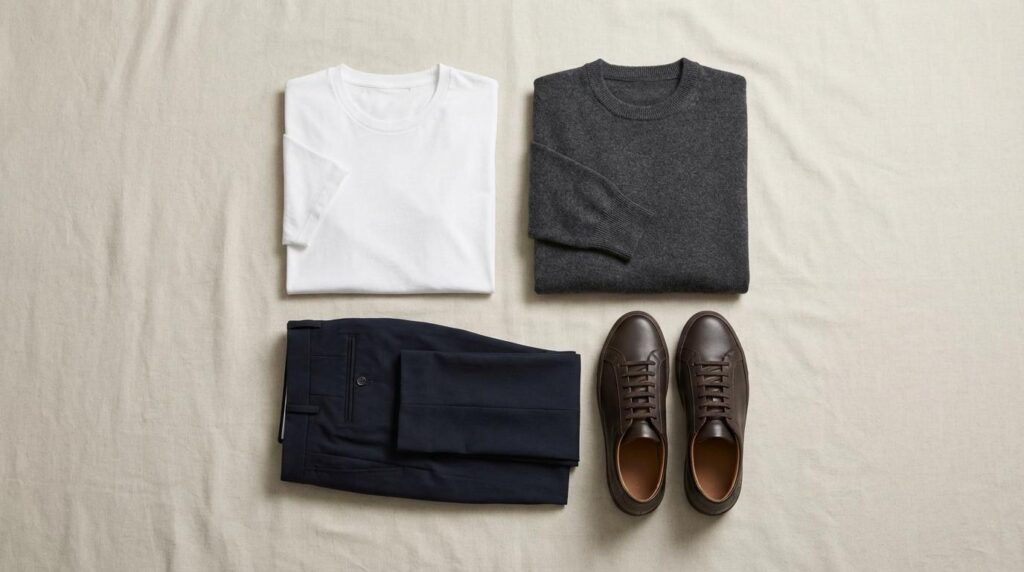
Minimalism in men’s fashion isn’t just about wearing less or owning fewer clothes. It’s a design and styling philosophy centered on stripping away the unnecessary. It prioritizes fit over flair, quality over quantity, and cohesion over complexity.
A minimalist outfit typically features a limited color palette — often neutrals like white, black, grey, navy, camel, and olive — with clean cuts, little to no visible branding, and a focus on how the pieces relate to each other rather than how each piece stands out individually.
It is worth distinguishing between minimalism as an aesthetic and minimalism as a wardrobe philosophy. A man can dress minimally without identifying as a minimalist consumer. Equally, a capsule wardrobe devotee might occasionally wear a bold piece without abandoning the minimalist framework entirely. The two overlap significantly but are not identical.
The Cultural Conditions That Made Minimalism Rise
Minimalist fashion doesn’t exist in a vacuum. It emerged as a dominant force in men’s style for reasons that are deeply tied to broader cultural shifts.
The Quiet Luxury Movement
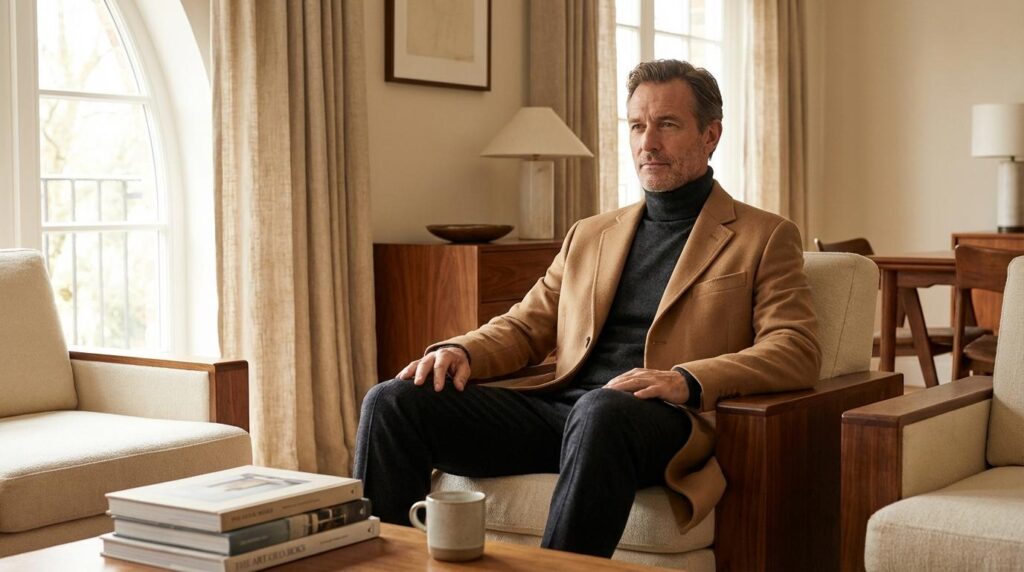
Few trends have captured mainstream attention as quickly or as completely as quiet luxury — the aesthetic built around expensive-looking, understated clothing with no visible logos. Associated with old money sensibility and brands like The Row, Loro Piana, and Brunello Cucinelli, quiet luxury is essentially minimalism with a premium price tag.
The trend was amplified enormously by social media, particularly through the lens of HBO’s Succession, whose costume design became a reference point for an entire aesthetic movement. Characters dressed in muted tones, perfect tailoring, and conspicuously logo-free clothing — and millions of men took note.
The Backlash Against Logomania
For much of the 2010s, visible branding was a dominant force in men’s fashion. Supreme box logos, Gucci belts, Off-White diagonal stripes — wearing a recognizable logo was a way of broadcasting cultural awareness and purchasing power simultaneously.
But trends generate their own counter-trends, and the overconsaturation of logomania created a backlash. For a growing number of men, the absence of a logo became the more sophisticated statement. Dressing in a way that didn’t announce a brand name started to read as more refined, more confident, and ultimately more stylish than the alternative.
The Capsule Wardrobe Revolution
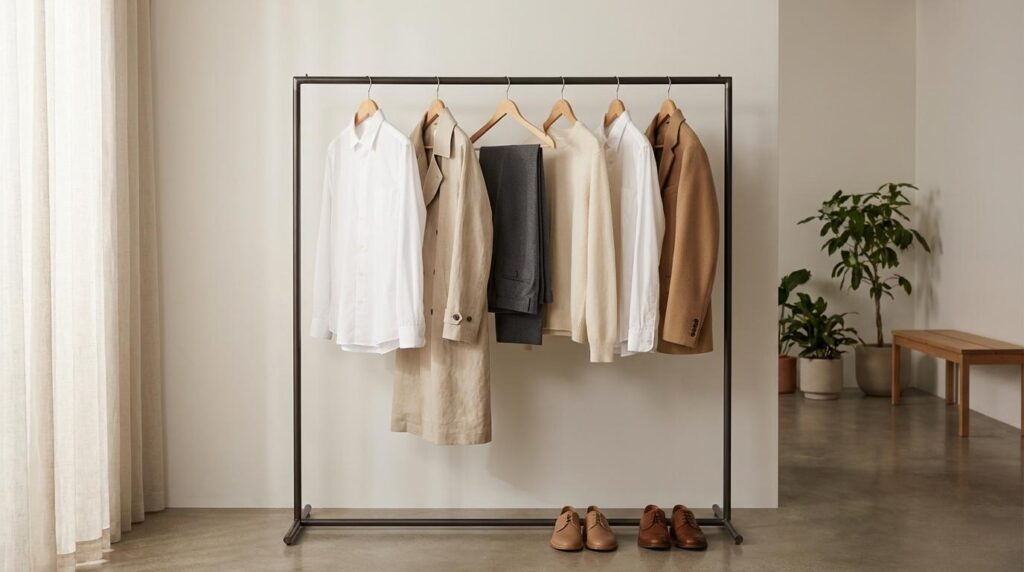
The idea of building a wardrobe around a small number of high-quality, interchangeable pieces gained enormous traction through social media content creators and style bloggers in the late 2010s and accelerated through the early 2020s. This philosophy is inherently minimalist — it requires editing ruthlessly, investing in quality over quantity, and building coherence rather than variety.
As more men adopted the capsule wardrobe approach, minimalist aesthetics became the default framework for thinking about getting dressed. The two ideas reinforced each other and together pushed minimalism firmly into the mainstream.
The Brands Driving the Minimalist Movement
A significant marker of minimalism’s dominance is the commercial success of brands built entirely around that aesthetic.
COS — the H&M Group’s elevated sibling — built its entire identity around architectural cuts, muted color stories, and clean design. Its continued growth reflects sustained consumer appetite for precisely that aesthetic.
Uniqlo has become one of the most influential men’s fashion brands in the world by offering well-made basics at accessible prices. Its LifeWear philosophy — clothing designed to be functional, high quality, and simple — is minimalism codified into a retail strategy.
Everlane, Muji, and Aritzia’s men’s lines have all grown substantially by catering to the same appetite for clean, considered clothing without seasonal trend-chasing.
At the luxury end, The Row, Lemaire, and Jil Sander continue to set the aesthetic standard for high minimalism — and their influence filters down through the market to shape what brands at every price point produce.
The commercial success of these brands is not incidental. It reflects real, sustained demand from men who want their wardrobes to be simple, versatile, and timeless.
Is Minimalism Actually Universal, or Just Dominant in Certain Spaces?
It would be inaccurate to say minimalism has taken over men’s fashion entirely. Fashion has never been monolithic, and today’s landscape is more fragmented than ever. Maximalism — bold colors, heavy patterns, layered textures, statement pieces — has its own strong following. Gorpcore, with its technical fabrics and utilitarian layering, operates by different rules than minimalism. Streetwear, though quieter than its peak, remains a powerful force.
What minimalism has done is establish itself as the dominant aesthetic in a specific but very influential tier of men’s style: the educated, style-conscious, quality-oriented consumer who wants to look put-together without looking like he’s trying too hard. In that space — which happens to be the space that generates the most style content, the most influential voices, and the most aspirational imagery — minimalism is genuinely dominant.
It has also become the default aesthetic for men who are new to fashion. When a man decides he wants to dress better but doesn’t know where to start, the advice he receives almost universally points toward basics, neutrals, and clean silhouettes. Minimalism is the entry point that most men walk through first.
How to Build a Minimalist Men’s Wardrobe

If minimalism appeals to you — or if you simply want a wardrobe that’s easier to manage and consistently looks good — here’s how to approach building one.
Start with a neutral foundation. The core of any minimalist wardrobe is a set of well-fitting basics in neutral colors: white and grey tees, navy and black trousers, a clean white Oxford shirt, a well-fitted dark denim jean. These pieces work together without effort.
Invest in fit above all else. Minimalist clothing has nowhere to hide. A poorly fitting plain white t-shirt just looks like a poorly fitting t-shirt. The investment in minimalism is less about finding interesting pieces and more about finding perfectly fitting ones.
Limit your color palette. Choose three to five colors that work together and anchor your wardrobe around them. This makes getting dressed faster, reduces decision fatigue, and ensures your outfits are always cohesive.
Prioritize quality over quantity. A minimalist wardrobe with fewer, better pieces will serve you better than a large wardrobe of mediocre basics. Fabric quality, construction, and fit all matter more when there’s no pattern or embellishment to distract from them.
Edit regularly. Minimalism requires maintenance. If a piece doesn’t fit well, doesn’t work with your palette, or hasn’t been worn in months, it doesn’t belong in a minimalist wardrobe.
For a thorough guide to building a capsule wardrobe from scratch, the resources at Into The Gloss for Men offer excellent style direction grounded in exactly this kind of considered, quality-first approach.
Final Word
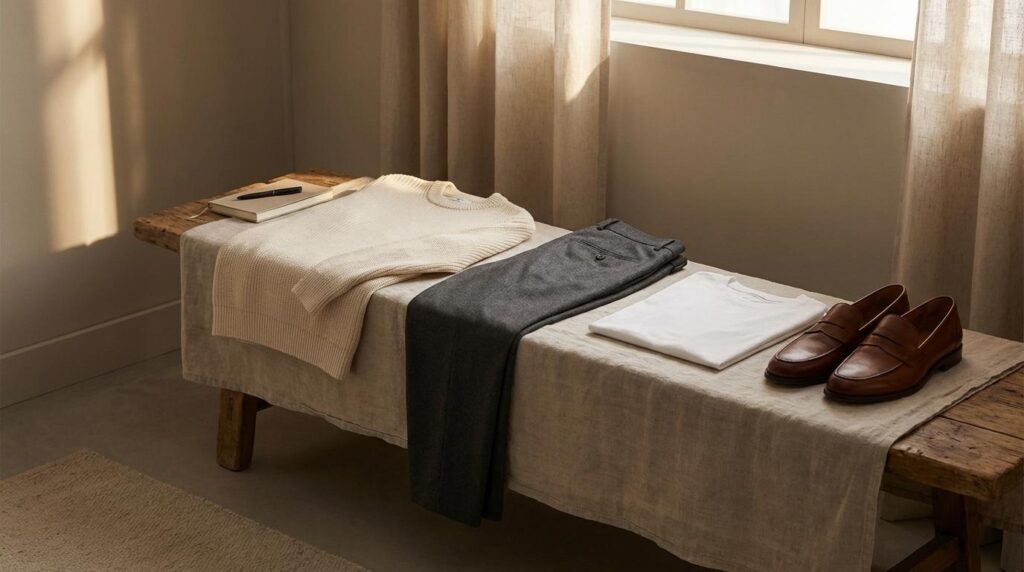
Are minimalist styles taking over men’s fashion? In the spaces that shape how most style-conscious men think about dressing, the answer is largely yes. Minimalism has moved from a niche aesthetic to a mainstream default — driven by the quiet luxury movement, the backlash against logomania, the capsule wardrobe philosophy, and the commercial rise of brands built entirely around clean, simple design.
But fashion is never static. Minimalism will continue to evolve, and other aesthetics will push back against it. The men who dress best aren’t slaves to any single trend — they borrow what works, discard what doesn’t, and build a wardrobe that reflects who they actually are. For many of them right now, that wardrobe looks a lot like minimalism.