
Not long ago, men’s fashion moved slowly. Trends filtered down from designers to department stores to the average consumer over the course of months, sometimes years. Style advice came from a handful of magazines, and the gatekeepers of what was and wasn’t fashionable were a small, insular group of editors, stylists, and industry insiders. Then came social media — and it changed everything.
Understanding how social media changed men’s fashion isn’t just a matter of noting that people post outfit photos online. The shift has been structural, cultural, and accelerating. It has changed who sets trends, how fast they move, who has access to style inspiration, and what men feel permitted to wear.
The Collapse of the Traditional Fashion Gatekeeper
For most of the 20th century, fashion authority was concentrated. Magazines like GQ and Esquire told men what to wear each season. Designers showed collections twice a year. Retailers stocked what buyers selected months in advance. The average man had little say in any of it, and little visibility into anything beyond what was placed in front of him.
Social media dismantled that structure almost entirely. When anyone with a smartphone and an Instagram account could reach millions of followers, the old gatekeepers lost their monopoly on taste. Independent style bloggers became more influential than magazine editors. A man in Seoul or Lagos could set a trend that resonated in New York or London without ever walking a runway.
The result was a dramatic democratization of men’s fashion. Style was no longer handed down from the top — it emerged laterally, from real people wearing real clothes in real life.
The Rise of the Male Style Influencer
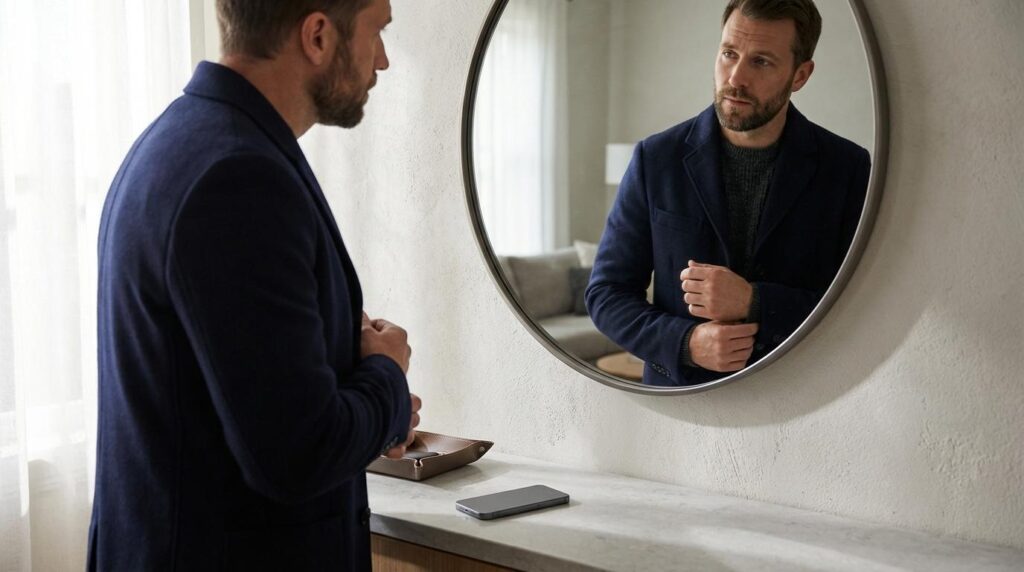
Perhaps the most significant single change that social media brought to men’s fashion was the creation of a new professional category: the male style influencer. Before platforms like Instagram, YouTube, and TikTok, the idea of a man building a career around sharing his outfits and style opinions would have seemed implausible.
Today, male fashion influencers command audiences in the millions and wield genuine commercial power. They partner with brands, shape purchasing decisions, and introduce their followers to aesthetics, labels, and styling techniques that would never have reached them through traditional channels.
More importantly, these influencers reflect enormous diversity in style, body type, age, and cultural background. A heavyset man in his 40s, a slim teenager into streetwear, a professional in his 30s building a business wardrobe — all of them now have style figures they can relate to and learn from. That breadth of representation simply didn’t exist before social media.
Trend Cycles Accelerated Beyond Recognition
Social media didn’t just change who sets trends — it changed how fast they move. The traditional fashion calendar operated on a twice-yearly cycle: spring/summer and fall/winter collections, planned and executed months in advance. Social media compressed that timeline to almost nothing.
A style worn by a prominent figure on a Monday can be a viral trend by Wednesday and feel oversaturated by the following month. This acceleration has created the phenomenon now widely referred to as “microtrends” — hyper-specific aesthetic moments that rise and fall within weeks rather than seasons.
The gorpcore trend, the quiet luxury movement, the resurgence of Y2K aesthetics, the old money look — all of these were propelled and amplified by social media at a pace that traditional fashion media could never have matched. By the time a magazine could run a feature on a trend, the internet had already moved on.
This acceleration has a complicated relationship with sustainability and consumption. On one hand, it pushes men toward buying more and faster. On the other, it has also fueled the resale and thrifting markets, with platforms like Depop and Grailed thriving precisely because men want access to the latest aesthetics without paying full retail prices.
Pinterest, Instagram, and the Visual Education of Men
Before social media, most men had limited exposure to style education. Fashion wasn’t widely discussed among male peer groups, and the resources available — a magazine here, a catalog there — were passive rather than interactive.
Pinterest and Instagram changed this by giving men access to a near-infinite library of visual style references. A man who wanted to understand how to dress smart casual, how to build a capsule wardrobe, or how to style a particular item could find hundreds of reference images within minutes. The visual, searchable nature of these platforms made style education accessible and self-directed in a way it had never been before.
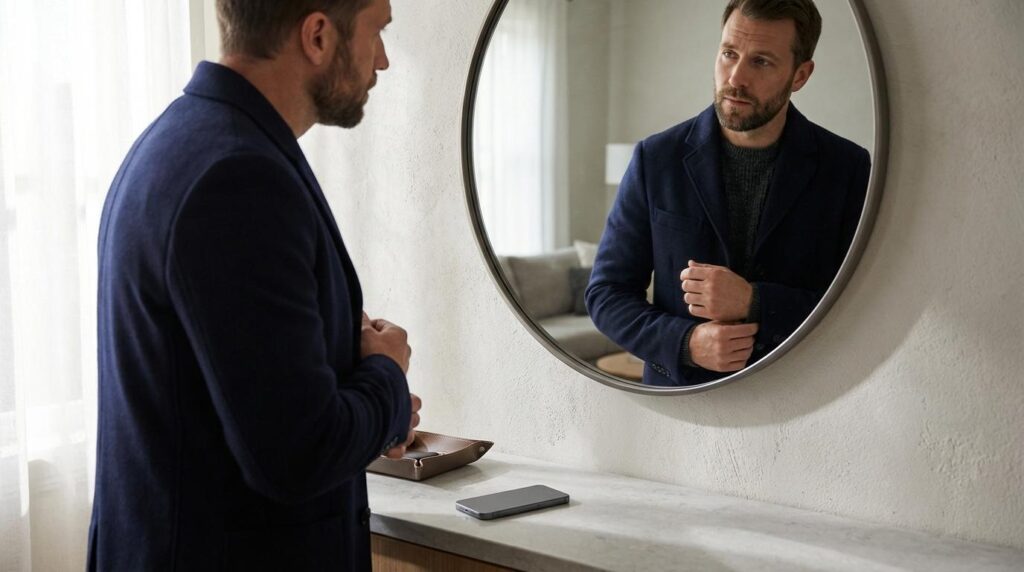
YouTube extended this further with long-form content — try-on hauls, wardrobe guides, brand comparisons, and styling tutorials. Men who would never have picked up a fashion magazine found themselves spending hours watching content about clothing. The audience for men’s style content grew dramatically, and with it, the general level of style awareness among men.
The Normalization of Men Caring About Clothes
One of the more profound cultural shifts that social media contributed to is the normalization of men caring openly about fashion. For generations, an intense interest in clothing was something many men felt they had to downplay or justify. Fashion was coded as frivolous, feminine, or vain in ways that created genuine social pressure against male style investment.
Social media eroded that stigma steadily and significantly. When millions of men are openly discussing fits, comparing brands, analyzing silhouettes, and celebrating each other’s style choices online, the cultural permission to care about clothes expands. Style communities — whether centered around streetwear, workwear, tailoring, or sneakers — created spaces where men could engage with fashion enthusiastically and without apology.
This shift is visible in the data. The global men’s apparel market has grown substantially over the past decade, and a significant portion of that growth is attributable to younger men who grew up with social media and absorbed the message that dressing well is a legitimate form of self-expression.
The Streetwear Revolution and Its Social Media Engine
No conversation about social media and men’s fashion is complete without addressing streetwear. While streetwear predates Instagram, social media was the engine that took it from a subculture to a dominant global force in men’s clothing.
Brands like Supreme, Off-White, Palace, and Fear of God built their cultural weight largely through social media scarcity and hype. Drop culture — releasing limited quantities of items at unpredictable intervals — only works when a community of eager followers is watching closely and ready to act. Social media provided exactly that infrastructure.
The result was a fundamental reshaping of men’s fashion values. Luxury was redefined. A $200 graphic tee from a hyped streetwear brand carried more cultural currency among younger men than a $500 dress shirt from a heritage label. Social media created and maintained that value system in real time.
What Comes Next
Social media’s influence on men’s fashion continues to evolve. TikTok has introduced yet another acceleration layer, with its algorithm surfacing niche aesthetics to massive audiences almost overnight. AI-generated style content, virtual try-ons, and digital fashion are beginning to reshape how men discover and interact with clothing in ways that are still unfolding.
What’s clear is that the relationship between men and fashion has been permanently altered. The barriers to style education are lower, the diversity of style voices is broader, and the pace of change is faster than at any previous point in history.
For a deeper look at how digital culture continues to shape the way men dress, the analysis and long-form coverage at Business of Fashion remains one of the most authoritative resources available.
Final Word
How social media changed men’s fashion is ultimately a story about access and acceleration. Access to inspiration, to style education, to community, and to a far wider range of influences than any previous generation of men had available. And acceleration in how trends form, spread, evolve, and fade.
The men who navigate this landscape best aren’t the ones chasing every trend that surfaces on their feed. They’re the ones who use social media as a tool for developing their own point of view — drawing from the endless stream of inspiration without being swept away by it.